

Are South Africa’s systems ready to preserve the full diversity of its indigenous heritage?
By Gofaone Motsamai
The recent announcement by the Department of Home Affairs that Khoi-San traditional names can now officially appear on birth certificates, Smart IDs, and passports marks an important milestone for cultural recognition in South Africa. For many, it represents long-overdue acknowledgement of indigenous identity and linguistic diversity within official state systems.
However, beyond the celebration, this development also raises broader questions about the readiness of South African systems to preserve, archive, and accommodate the country’s diverse indigenous histories and languages in an increasingly digital era.
The challenge faced by the Khoi and San communities was linked to the technical orthographies and unique writing systems associated with the Khoi-San languages. Certain linguistic characters used in these names were reportedly not supported by Home Affairs’ existing systems. As a result, many individuals experienced difficulties when attempting to register their indigenous names accurately on official documents.
Over time, these limitations often compelled some community members to modify the spelling of their names, adopt simplified forms of writing, or, in some cases, change their names entirely to fit within the system’s technical requirements. While this may appear to be an administrative issue, names in many African cultures carry deep cultural, historical, and spiritual significance. They frequently preserve identity, lineage, memory, language, and heritage. The situation, therefore, highlights an important conversation about the relationship between technology, governance, and cultural preservation.
South Africa is internationally recognised for its cultural diversity and multilingualism. The Constitution protects linguistic and cultural rights, and the country’s national motto, “!ke e: /xarra //ke,” meaning “diverse people unite,” reflects Khoi-San linguistic heritage. Yet the recent Home Affairs upgrade suggests that some indigenous linguistic systems may not have been fully integrated into official digital infrastructure for many years.
This raises some important questions for the future:
- How prepared are South African institutions to digitally preserve indigenous languages and naming systems?
- Are current databases, archives, and information systems capable of fully accommodating the country’s linguistic diversity?
- What happens to cultural identity when technological systems cannot accurately capture indigenous forms of expression?
- And as South Africa continues moving towards digital transformation, how can inclusivity be built into these systems from the beginning?
These questions extend beyond Home Affairs alone. They touch on education systems, digital archives, museums, public records, language preservation projects, and even future technologies such as artificial intelligence and automated data systems. If indigenous languages and identities are not adequately integrated into digital systems today, future historical records may unintentionally reflect incomplete versions of South Africa’s cultural landscape.
The recognition of Khoi-San names, therefore, represents more than a technical upgrade. It opens an important national conversation about how countries preserve heritage in the digital age, and whether technological systems are evolving quickly enough to reflect the full diversity of the societies they serve. As South Africa continues to position itself as a diverse and inclusive democracy, the moment offers an opportunity to reflect on how digital systems can become tools not only of administration, but also of cultural preservation and historical continuity.
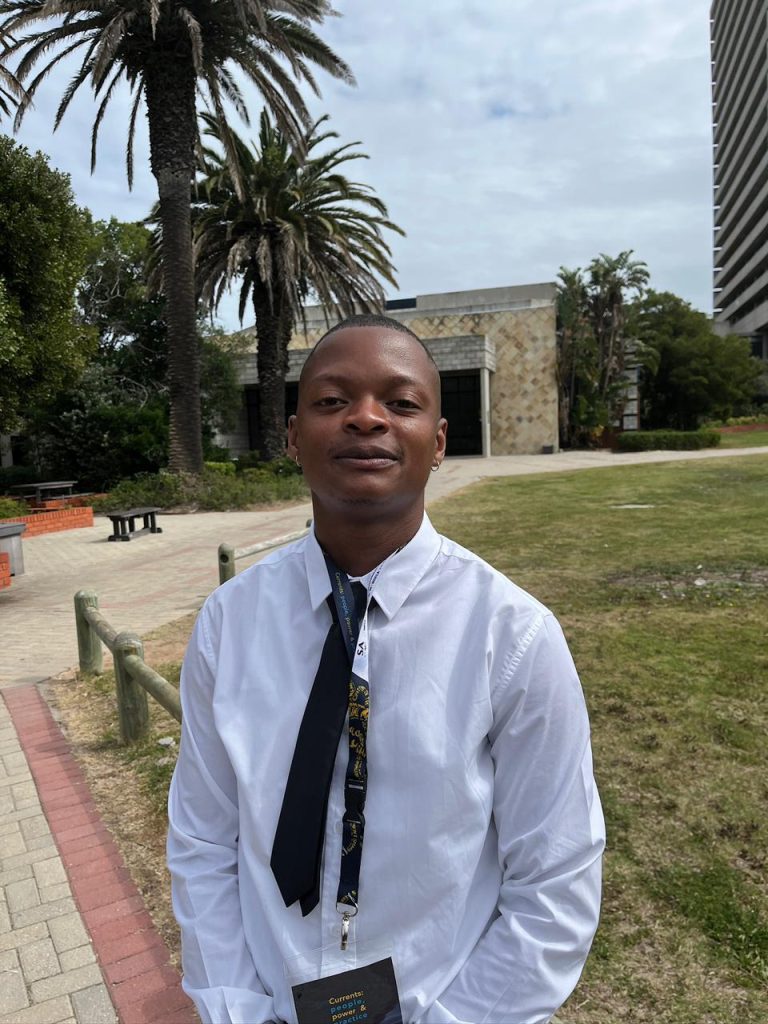
Gofaone Motsamai, a doctoral candidate at the Indigenous Language Media in Africa (ILMA) Research Focus Area, North-West University, Mahikeng, South Africa.