

Self-decolonisation in the face of societal pressure: Reclaiming the self
By Gofaone Motsamai
Self-decolonisation, at its broadest level, refers to the process of unlearning the psychological, cultural, and ideological effects of colonialism that persist long after political independence. Although many formerly colonised societies govern themselves today, colonial influence did not disappear with the lowering of flags. Instead, it embedded itself in systems of knowledge, language hierarchies, beauty standards, and definitions of success. Colonialism moved quietly from the land into the mind.
To decolonise the self is therefore an internal act. It requires questioning beliefs we often take for granted: Why is English associated with intelligence while indigenous languages are treated as informal? Why are Western lifestyles seen as modern and superior? Why do we sometimes feel the need to minimise our names, accents, or traditions to be accepted? Self-decolonisation begins when we recognise that many of these ideas were inherited rather than chosen.
The weight of societal pressure
While the idea of reclaiming one’s identity sounds empowering, it is rarely simple. Society constantly rewards assimilation and punishes authenticity. From school to the workplace, people learn that proximity to Western norms opens doors. Professionalism is measured through accents, dress codes, and behaviour that mirror Eurocentric standards. Indigenous knowledge is often dismissed as unscientific, while foreign expertise is automatically trusted.
These pressures shape everyday decisions. Many people avoid speaking their home languages in formal spaces. Others anglicise their names or hide cultural practices to avoid being labelled backward. Over time, these compromises become habits, and habits become beliefs. We begin to police ourselves, adjusting who we are to fit what is acceptable.
In this way, coloniality does not need force; social approval does the work. The fear of exclusion or limited opportunity encourages conformity. Authenticity can feel risky, even costly.
The internal struggle
Because of these pressures, self-decolonisation is not just political – it is deeply personal. It involves confronting internalised shame and asking uncomfortable questions about who we are trying to please. It requires acknowledging how easily we have absorbed the very hierarchies that marginalise us.
The struggle can also create tension within families and communities. For some, assimilation has been a survival strategy, a way to secure jobs or education. Choosing to centre indigenous identity may be misunderstood as impractical or regressive. Decolonising the self can therefore feel isolating, even when it is necessary.
Yet without this inner work, independence remains incomplete. A society cannot be truly free if its people distrust their own languages, histories, and knowledge systems. Liberation must reach the level of consciousness.
Importantly, self-decolonisation does not mean rejecting everything Western or romanticising the past. Cultures are dynamic and interconnected. The goal is not purity but choice. It is about being able to participate in global modernity without erasing local identity.
Reclaiming agency means refusing to measure your worth through imported standards alone. It means recognising that speaking Setswana, Sesotho, isiZulu, or any indigenous language is not a limitation but a form of intellectual and cultural wealth. It means understanding that local knowledge, traditions, and histories hold value equal to any textbook or foreign theory.
At its heart, self-decolonisation is about dignity, the right to exist without apology.
Dealing with the pressure
So how can individuals practise self-decolonisation amid societal pressure?
First, cultivate awareness. Read widely, question dominant narratives, and learn the histories that were excluded from formal education. Consciousness is the starting point of change.
Second, affirm your language and culture in everyday life. Speak your mother tongue proudly, share local stories, and support indigenous creative work. Small acts of visibility matter.
Third, build communities of support. Decolonising alone is exhausting; collective affirmation makes resistance sustainable.
Finally, redefine success for yourself. Let your goals reflect personal meaning and community impact rather than only external validation. When you choose your own standards, societal pressure loses some of its power.
Self-decolonisation is not a single moment but a lifelong journey. It is the quiet, deliberate decision to live truthfully in a world that constantly asks you to perform someone else’s script. In reclaiming the self, we reclaim our freedom, and that may be the most radical act of all.
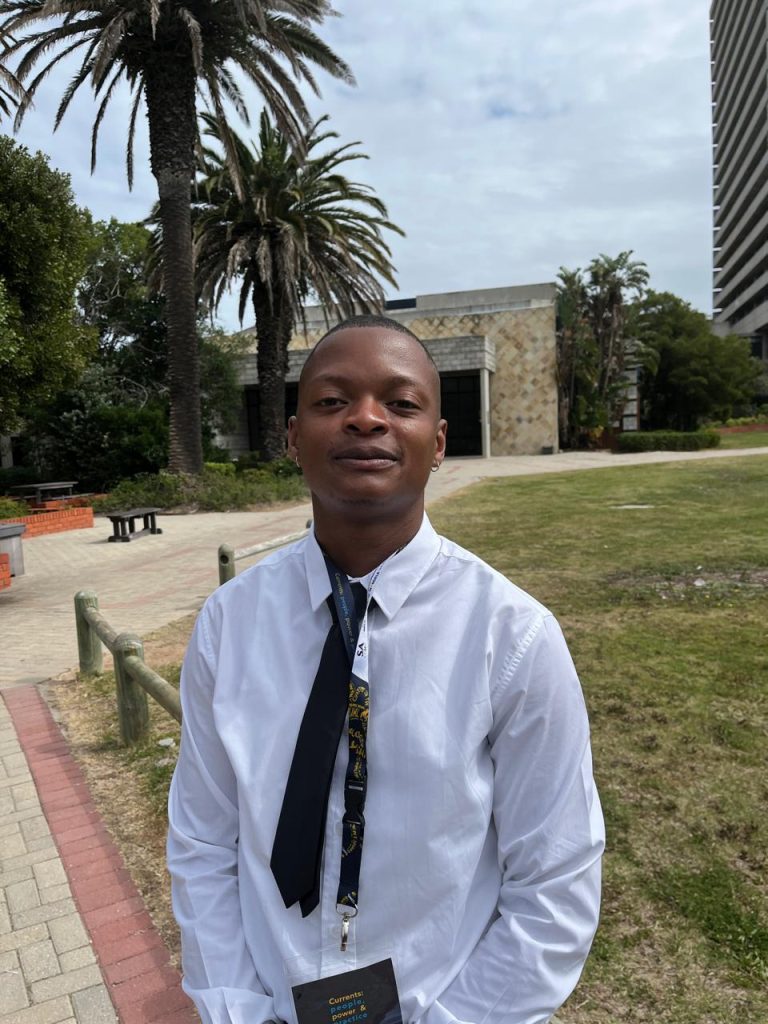
Gofaone Motsamai is a doctoral student at the Indigenous Language Media in Africa (ILMA) Research Focus Area, North-West University, Mahikeng, South Africa.